Enhancing Cybersecurity with AI: The Next Generation of Cyber Defense

7/28/2026 Created By: Dr. Daljeet Singh Bawa Technology/Cybersecurity/AI
Enhancing Cybersecurity with AI: The Next Generation of Cyber Defense - Dr. Daljeet Singh Bawa

Enhancing Cybersecurity with AI: The Next Generation of Cyber Defense

In the rapidly evolving world of technology, the integration of Artificial Intelligence (AI) into cybersecurity measures is not only innovative but necessary. Recent advancements highlight the profound impacts AI can have on improving cyber defenses, particularly in identifying threats and mitigating risks more efficiently than traditional methods alone.

The Growing Significance of AI in Cybersecurity

Recent news from top tech platforms such as The Verge and Wired emphasizes the increasing reliance on AI to bolster cybersecurity frameworks. As cyberattacks grow more sophisticated, AI's ability to process vast amounts of data and identify anomalies quickly becomes indispensable.

Key Benefits of Integrating AI in Cyber Defense

  • Threat Detection: AI systems can analyze patterns and detect threats in real time, providing an immediate alert and allowing response protocols to be activated.
  • Risk Mitigation: By continuously learning and adapting, AI systems can predict potential vulnerabilities and reinforce defenses accordingly.
  • Efficient Resource Utilization: With AI handling repetitive and data-intensive tasks, human resources can focus on strategic planning and incident response.

Challenges and Future Prospects

While AI enhances cybersecurity, there are challenges regarding data privacy and algorithmic biases. However, ongoing research and development are paving the way for robust AI frameworks that maintain ethical standards while providing unparalleled security.

The integration of AI into cybersecurity is a dynamic field that promises groundbreaking improvements. Continued collaboration between tech giants and cybersecurity experts will likely drive further innovations that protect users and institutions alike.

Frequently Asked Questions

Answers based on this article.

AI improves threat detection by analyzing large datasets in real time and identifying patterns that may indicate cybersecurity threats. This allows for quicker response times and helps prevent data breaches.

One major challenge is ensuring the AI systems do not perpetuate biases present in the training data. Additionally, maintaining data privacy and securing AI systems from adversarial attacks are critical concerns.

Yes, AI can predict future threats by analyzing trends and patterns in past data to anticipate new attack methods and identify vulnerabilities before they can be exploited.

While AI automates many routine tasks, it is not replacing human roles but rather enhancing them. Cybersecurity professionals are needed to interpret AI insights and manage strategic responses.

AI uses machine learning algorithms to process vast datasets, identifying anomalies and recurring patterns that could indicate a potential threat, thus enhancing the overall security measures.
Post Tags
#AI in cybersecurity #cyber defense #threat detection #risk mitigation #cybersecurity technology #machine learning #data privacy
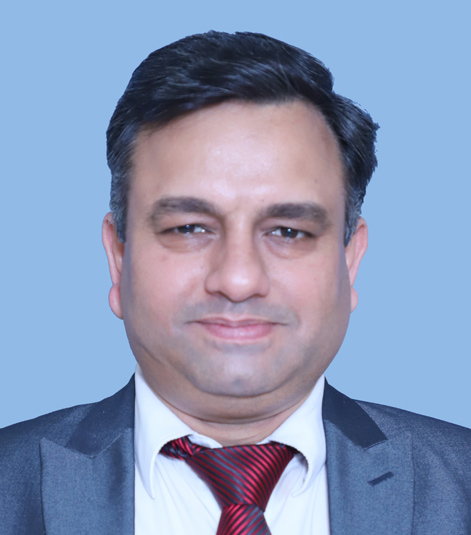
Dr. Daljeet Singh Bawa

Dr. Daljeet Singh Bawa

Enterprise Solutions Expert

Dr. Daljeet Singh Bawa has been associated with Bharati Vidyapeeth (Deemed to be University) Institute of Management and Research, New Delhi since 2007. He is an Assistant Professor and HOD of BCA department at the institute with over 19 years of experience in teaching and research. He is Ph.D. (Comp. Sc.), M. Phil (Comp. Sc.) and MCA. His area of specialization is Software Engineering, Software Project Management, Computer Organization and Architecture, Operating Systems and Data Structures. His areas of research are Machine Learning, E-Assessment, Blended learning and Learning Management Systems. He has published more than 35 research papers in various journals, which includes Scopus, UGC care & Web of Science journals as well. He has also attended many webinars and FDPs to enhance his knowledge.