Introduction
The landscape of cybersecurity is in a state of constant evolution, driven by the relentless pace of technological advancement. Among the most transformative developments is the integration of artificial intelligence (AI) into cybersecurity frameworks. This fusion promises to redefine how we approach digital security, offering a glimpse into a future where threats can be detected, anticipated, and neutralized with unprecedented speed and accuracy.
AI-Driven Threat Detection: A Paradigm Shift
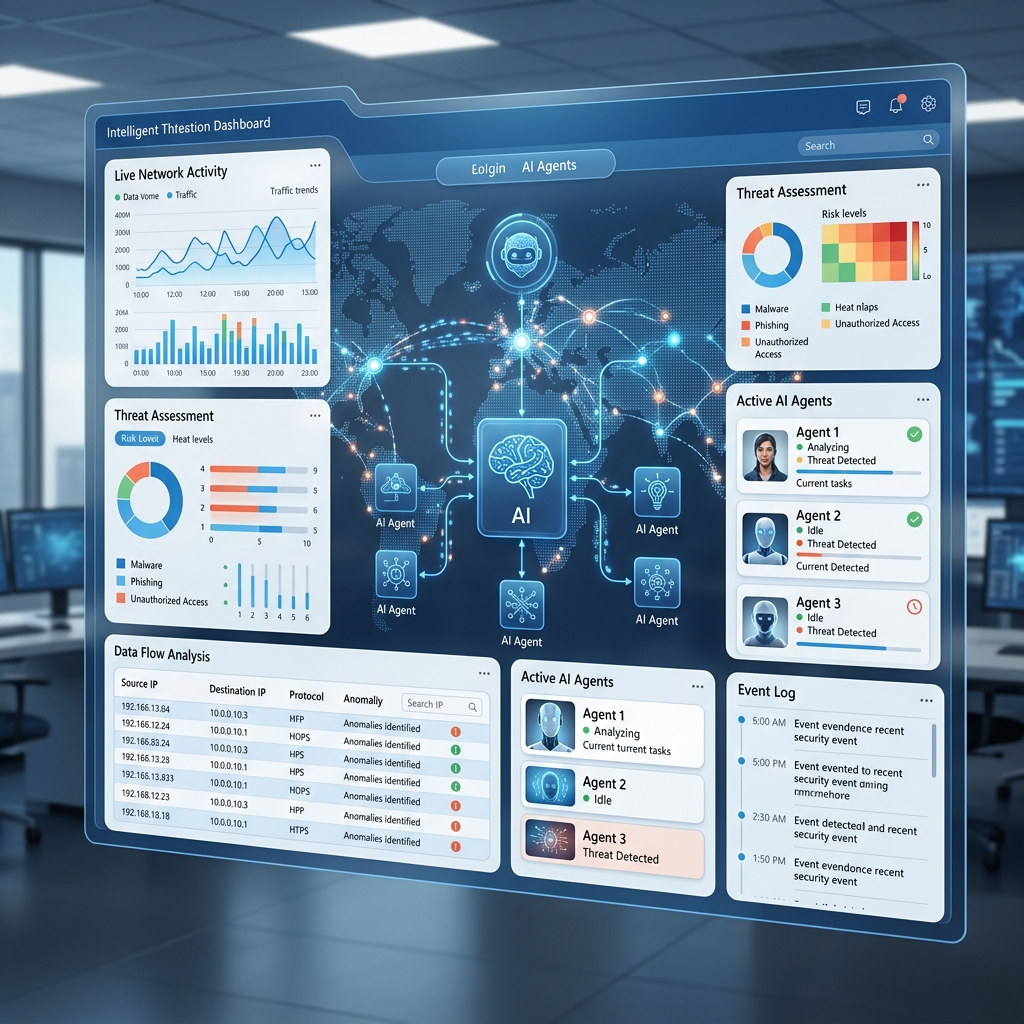
Recent announcements from leading cybersecurity firms underscore the potential of AI to revolutionize threat detection capabilities. A newly unveiled AI-powered platform exemplifies this shift, employing machine learning algorithms to sift through vast datasets across networks. By identifying unusual patterns and potential threats at a speed and scale beyond human capacity, AI systems are capable of real-time threat detection, allowing for immediate response and mitigation.
Advantages of AI in Cybersecurity
- Speed and Scale: AI can process and analyze large volumes of data far more quickly than human analysts, enabling the detection of threats in real-time.
- Reduction of Human Error: By minimizing the reliance on human input, AI systems can reduce vulnerabilities associated with human error in defense mechanisms.
- Continuous Learning: AI systems improve their accuracy and reliability over time by learning from each new data input and attack, thereby refining their defensive strategies.
Automation and Its Impact on Cyber Defense
AI-driven cybersecurity tools emphasize automation, simplifying the process of securing networks and ensuring consistent monitoring and protection around the clock. This is particularly advantageous for small and medium-sized enterprises, which often lack extensive IT resources. Automation reduces the workload for IT departments, allowing them to focus on strategic initiatives while maintaining robust security measures.
Challenges and Considerations
Despite these advancements, the integration of AI into cybersecurity is not without challenges. One significant issue is the growing complexity of AI models. While this complexity enables sophisticated threat detection, it also complicates the management and understanding of these systems, potentially introducing new vulnerabilities.
Data Privacy and Ethical Concerns
- Data Privacy: The reliance on large datasets for training AI models raises privacy concerns, necessitating the implementation of robust data governance and legal frameworks.
- Ethical Guidelines: The use of AI in cybersecurity raises ethical questions concerning transparency and accountability. Clear guidelines and standards are essential to ensure responsible and ethical use of AI technologies, safeguarding users' rights and data privacy.
The Path Forward: Balancing Innovation and Responsibility
The integration of AI in cybersecurity represents a promising advancement in the fight against cyber threats. However, as technology continues to advance, it is crucial to balance innovation with privacy and ethical considerations. For businesses, this means preparing to adapt and integrate AI solutions to effectively safeguard their digital assets.
As the future of digital security becomes increasingly dominated by AI, organizations must stay informed about the latest developments and best practices. For more information on how to leverage AI in your cybersecurity strategy, explore our Services or Contact Us for tailored solutions.
Frequently Asked Questions
Answers based on this article.
Post Tags