Navigating the New Era of Technology/AI: A Deep Dive into Cybersecurity Innovations

11/19/2026 Created By: Dr. Daljeet Singh Bawa Technology/AI/Cybersecurity
Navigating the New Era of Technology/AI: A Deep Dive into Cybersecurity Innovations - Dr. Daljeet Singh Bawa

Exploring the Intersection of Technology/AI and Cybersecurity

In the rapidly evolving world of technology, AI-driven cybersecurity has emerged as a crucial element in defending digital landscapes. Recent news highlights breakthroughs that underscore the need for heightened security measures and innovative solutions.

AI's Role in Transforming Cybersecurity

Artificial Intelligence is revolutionizing the cybersecurity landscape by providing enhanced threat detection, automation, and response capabilities. The ability of AI to learn and adapt allows for real-time analysis and mitigation of threats without human intervention. This is particularly useful in thwarting sophisticated cyber-attacks that evolve constantly.

Recent Advancements in AI Cybersecurity Technologies

According to a recent article from TechCrunch, several startups have exposed breakthrough solutions that leverage AI to tackle emerging threats. These include platforms capable of predictive threat analysis, which foresee vulnerabilities before exploitation.

Challenges Facing AI in Cybersecurity

Despite their efficacy, AI systems are not impervious to shortcomings. Challenges include potential biases in machine learning models, the risk of adversarial attacks targeting AI systems themselves, and the immense data requirements for training effective AI models.

Future Prospects and Opportunities

Leveraging brain-like AI, open-source collaboration, and integrating cross-domain knowledge from different tech verticals remain key strategies for enhancing cybersecurity in an AI-driven world. Emphasis on ethics and compliance will ensure AI's responsible usage in sensitive security operations.

Frequently Asked Questions

Answers based on this article.

AI-driven cybersecurity refers to the use of artificial intelligence technologies to automatically detect, analyze, and respond to cybersecurity threats. It enhances efficiency by processing vast amounts of data quickly and accurately.

AI improves threat detection by using sophisticated algorithms to identify patterns and anomalies in data that may correspond to security threats. It can predict and prevent potential threats before they evolve into major breaches.

Challenges include potential biases in data sets used for AI training, the possibility of adversarial attacks on AI systems, and high data requirements for model accuracy. Ethical concerns around data privacy also pose significant challenges.

Recent innovations include predictive threat analysis platforms and AI-powered automation tools that significantly reduce response times to cyber threats. Startups are developing solutions that go beyond traditional monitoring to real-time incident management.

Ethical AI ensures that AI systems used in cybersecurity respect user privacy, avoid biases, and operate transparently. This consideration is crucial for gaining trust and compliance, especially in sensitive operations where user data is involved.
Post Tags
#AI cybersecurity #technology innovations #threat detection #machine learning #cybersecurity challenges #future cybersecurity #predictive threat analysis
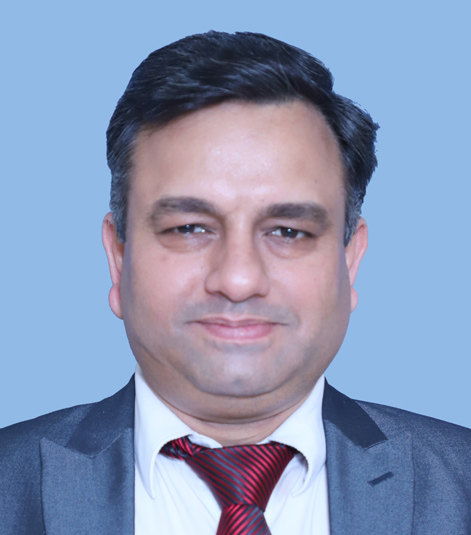
Dr. Daljeet Singh Bawa

Dr. Daljeet Singh Bawa

Enterprise Solutions Expert

Dr. Daljeet Singh Bawa has been associated with Bharati Vidyapeeth (Deemed to be University) Institute of Management and Research, New Delhi since 2007. He is an Assistant Professor and HOD of BCA department at the institute with over 19 years of experience in teaching and research. He is Ph.D. (Comp. Sc.), M. Phil (Comp. Sc.) and MCA. His area of specialization is Software Engineering, Software Project Management, Computer Organization and Architecture, Operating Systems and Data Structures. His areas of research are Machine Learning, E-Assessment, Blended learning and Learning Management Systems. He has published more than 35 research papers in various journals, which includes Scopus, UGC care & Web of Science journals as well. He has also attended many webinars and FDPs to enhance his knowledge.